
Financial Literacy — ND Workshops
Building Everyday Money Skills Through Practical Learning
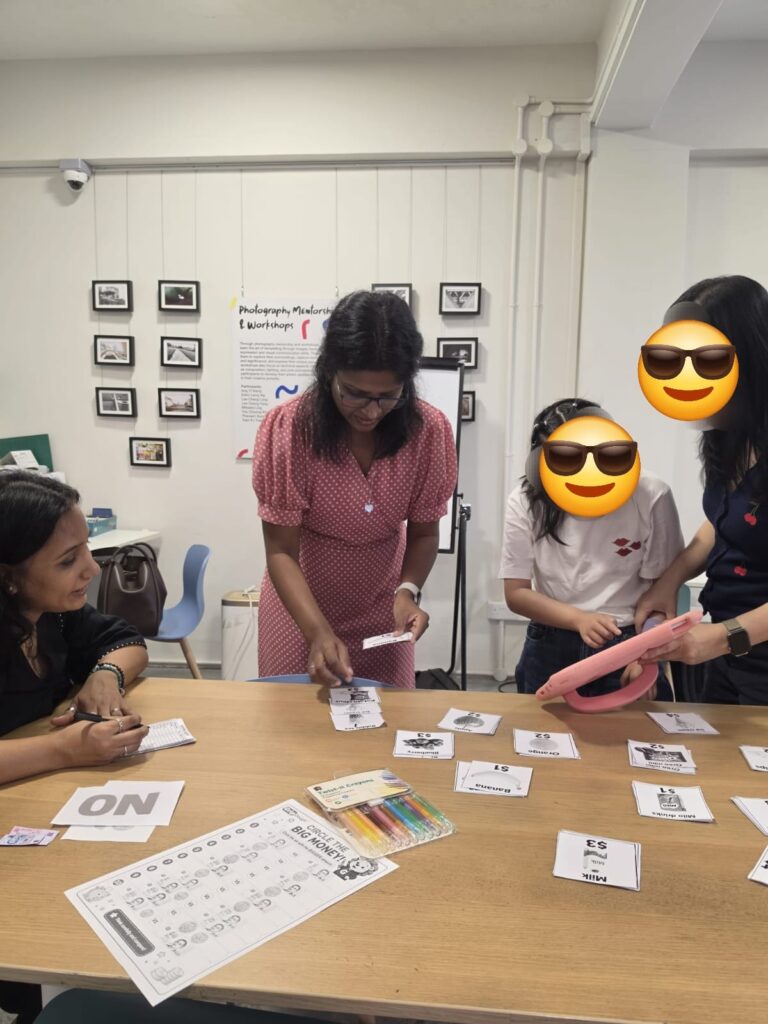
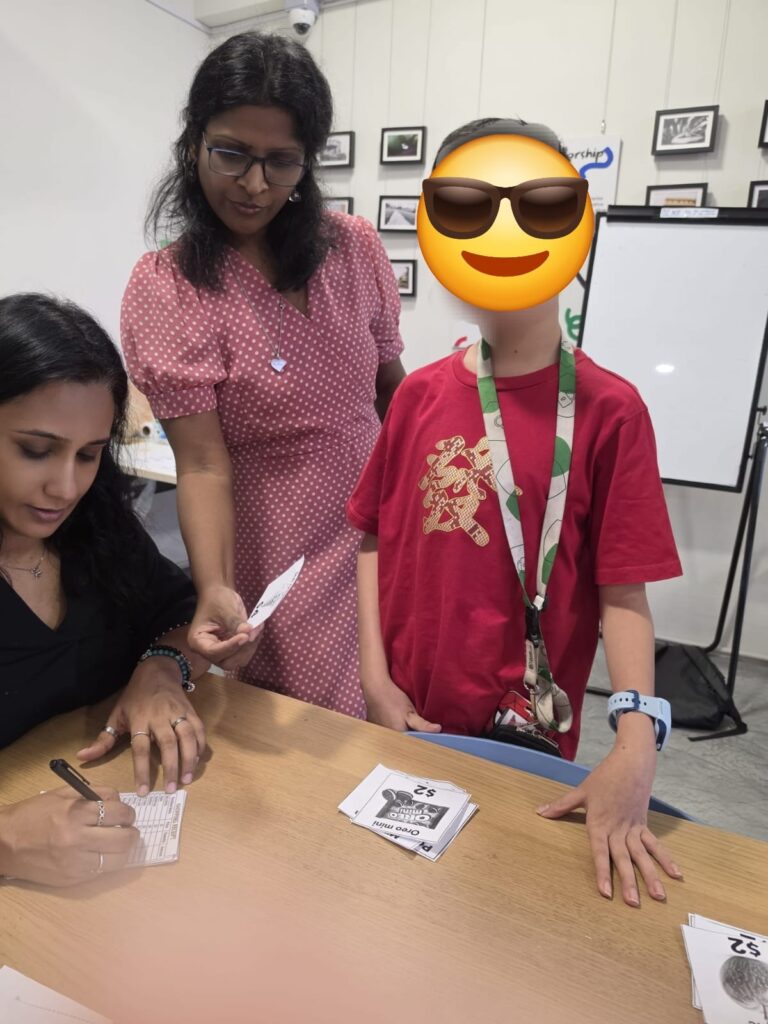
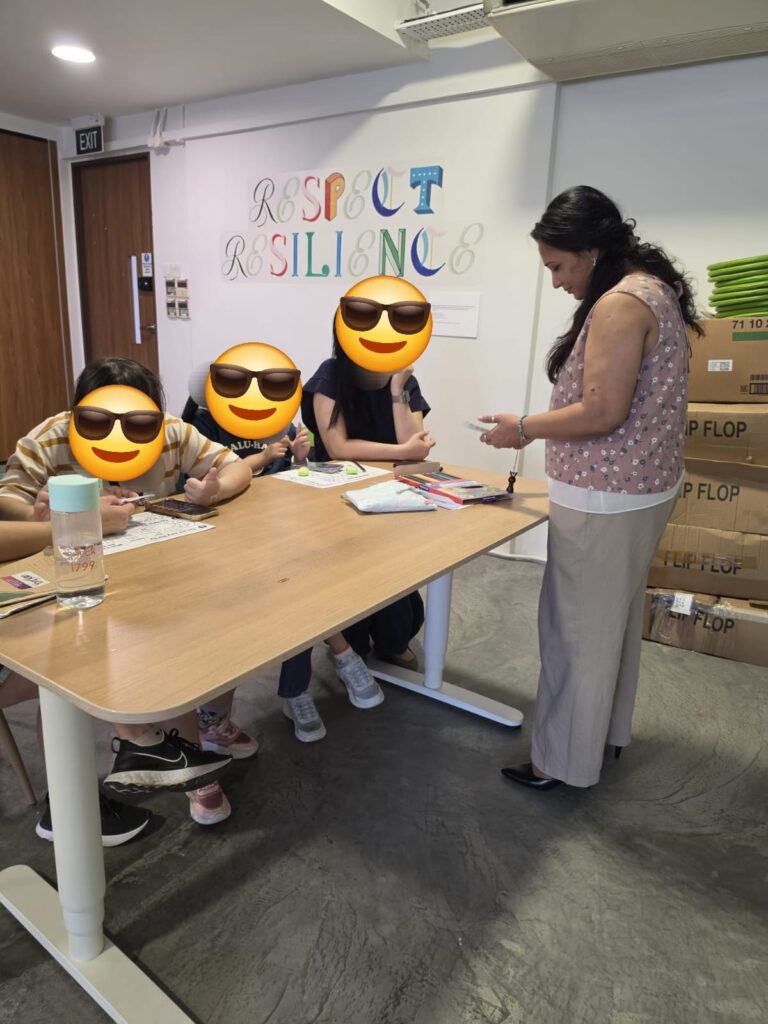
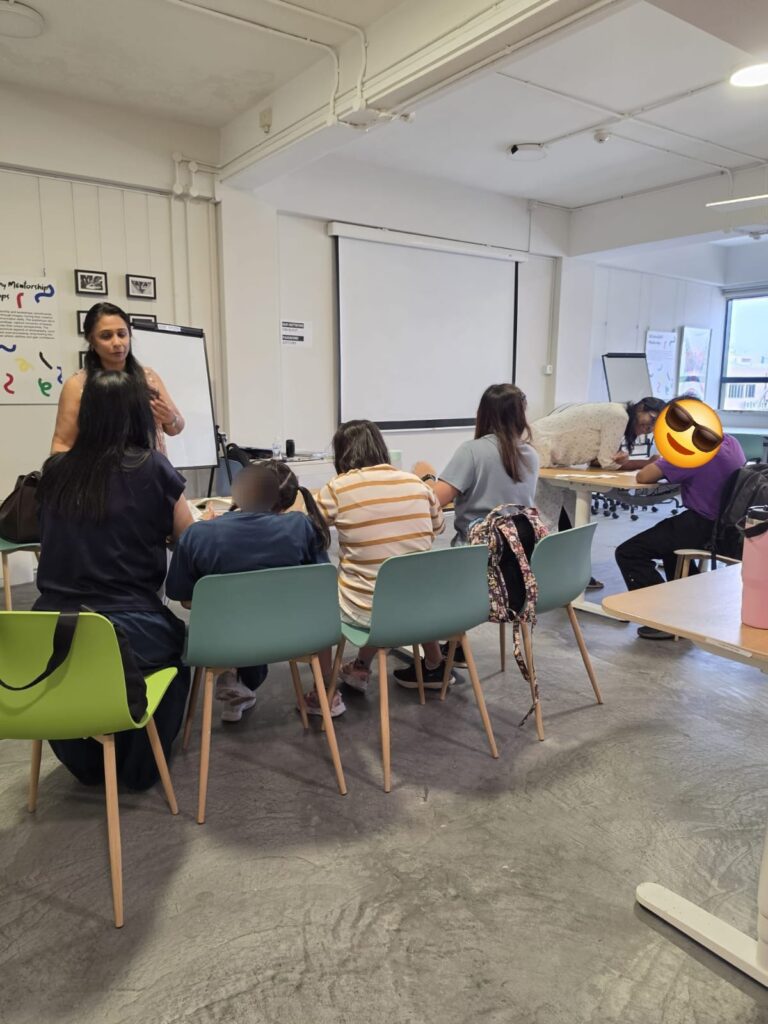
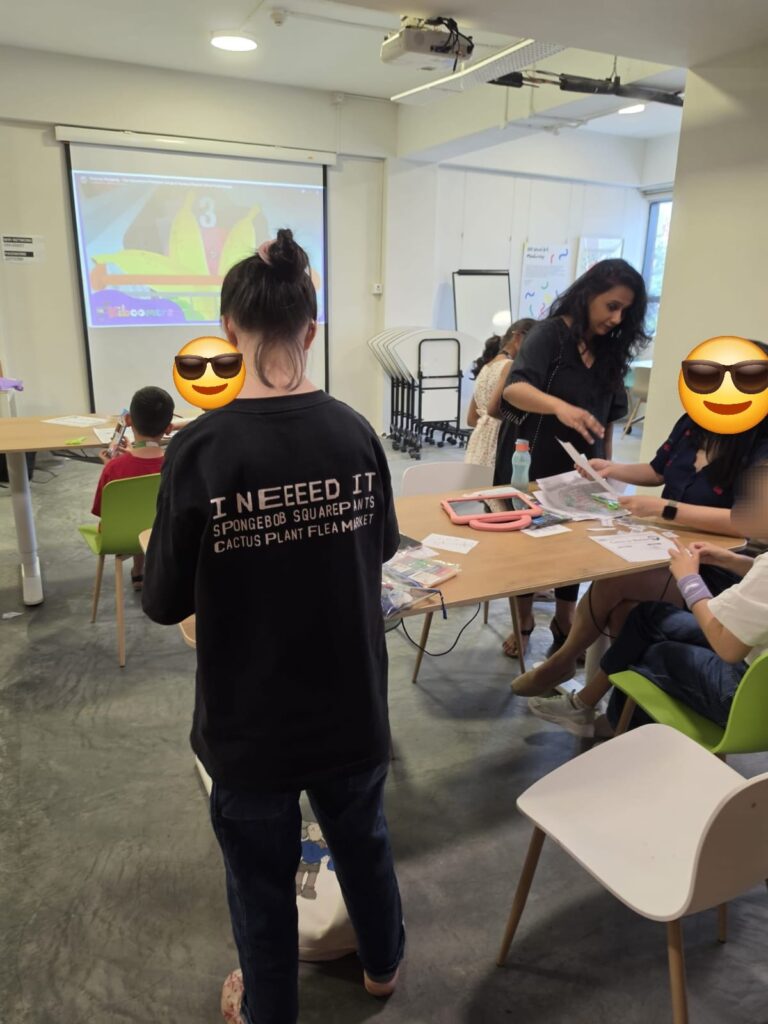
GripDough conducted a series of three financial literacy workshops, introducing foundational money concepts through hands-on activities, familiar everyday scenarios and practical decision-making.
The workshops were designed to make financial learning accessible and meaningful, giving learners opportunities to explore money concepts and practise skills relevant to everyday life.
Workshop Highlights
Across the three sessions, learners explored:
- Understanding Money
- Needs, Wants & Spending Choices
- Budgeting & Affordability
- Spend, Save & Give
- Practical Shopping Skills
- Receipts & Change
- Comparing Products
- Everyday Money Decisions
Our Approach
We moved beyond explaining money concepts and created opportunities for learners to experience them in action.
Through simulated supermarket activities, familiar Singaporean food menus, receipt-based challenges and hands-on money exercises, learners could practise making choices in realistic contexts.
Visual prompts, structured activities and calculators were used to support participation and reduce unnecessary barriers. This allowed the focus to remain on decision-making, sequencing, affordability and practical application rather than mental arithmetic alone.
Impact
Across our workshops, learners explored foundational money concepts through hands-on activities and relatable, real-life scenarios.
We saw that money management goes beyond numerical accuracy — it involves making choices, following steps, recognising limits and applying skills. Visual aids, calculators and guided support can make learning more accessible.
Parents’ questions highlighted the importance of practising these skills at home.
Our takeaway: Practical, strength-based financial education, reinforced across settings, can help neurodivergent learners build confidence and everyday independence.
Financial Literacy CCA
Neurodivergent Learners, Ages 10–16
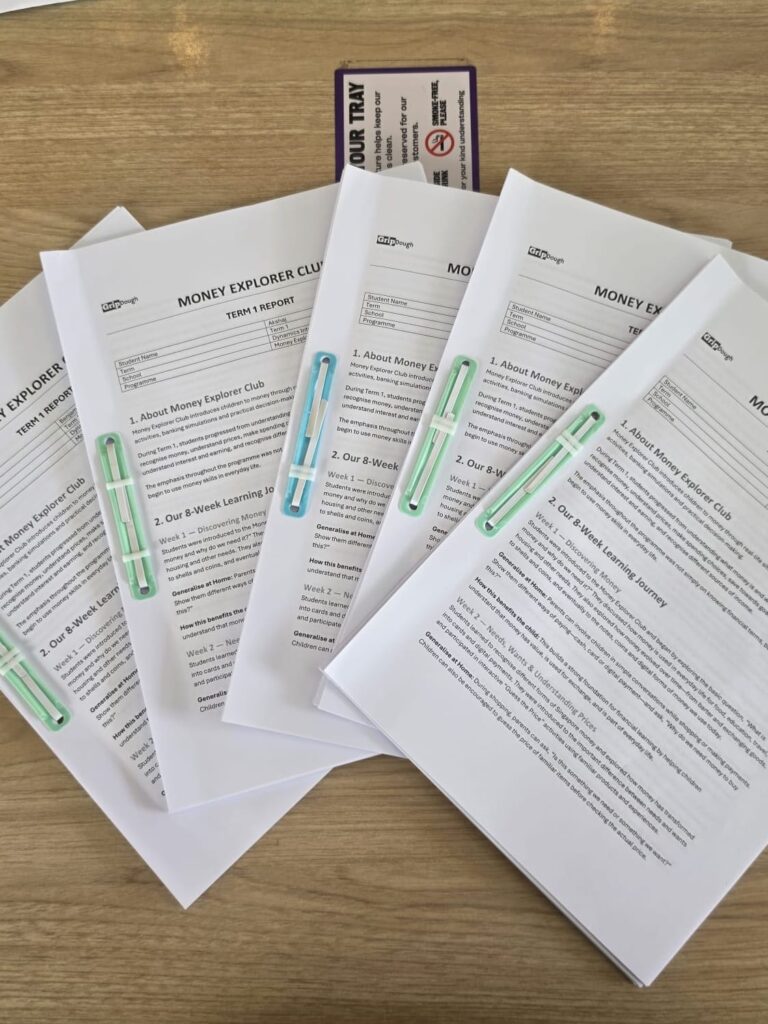
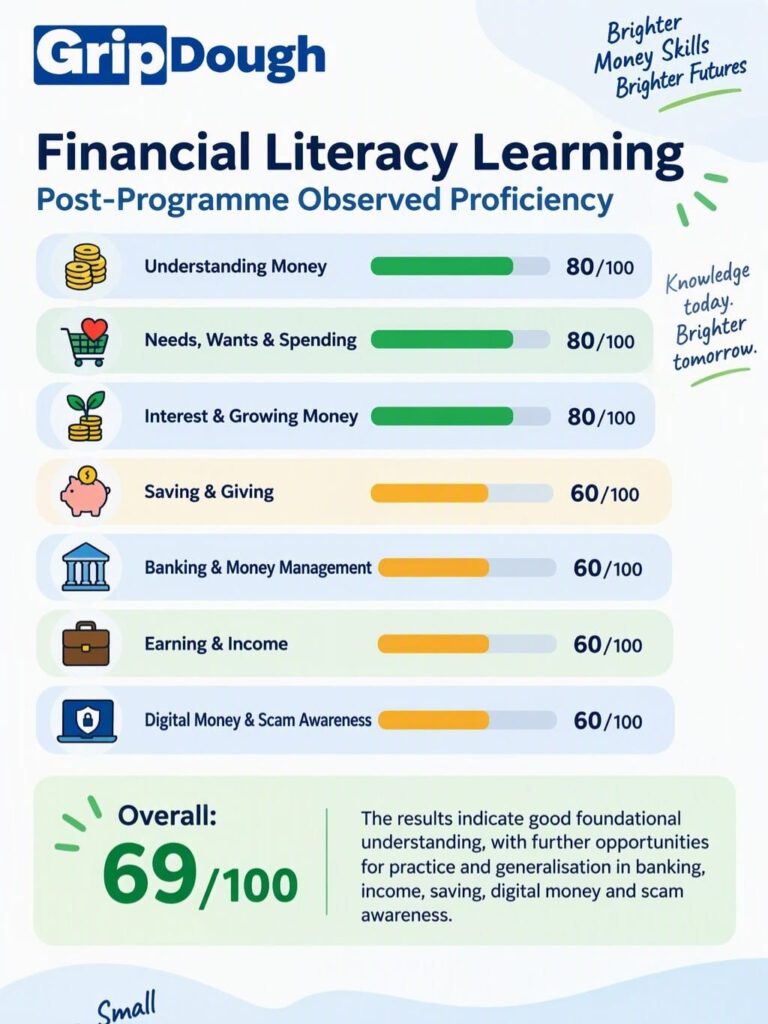
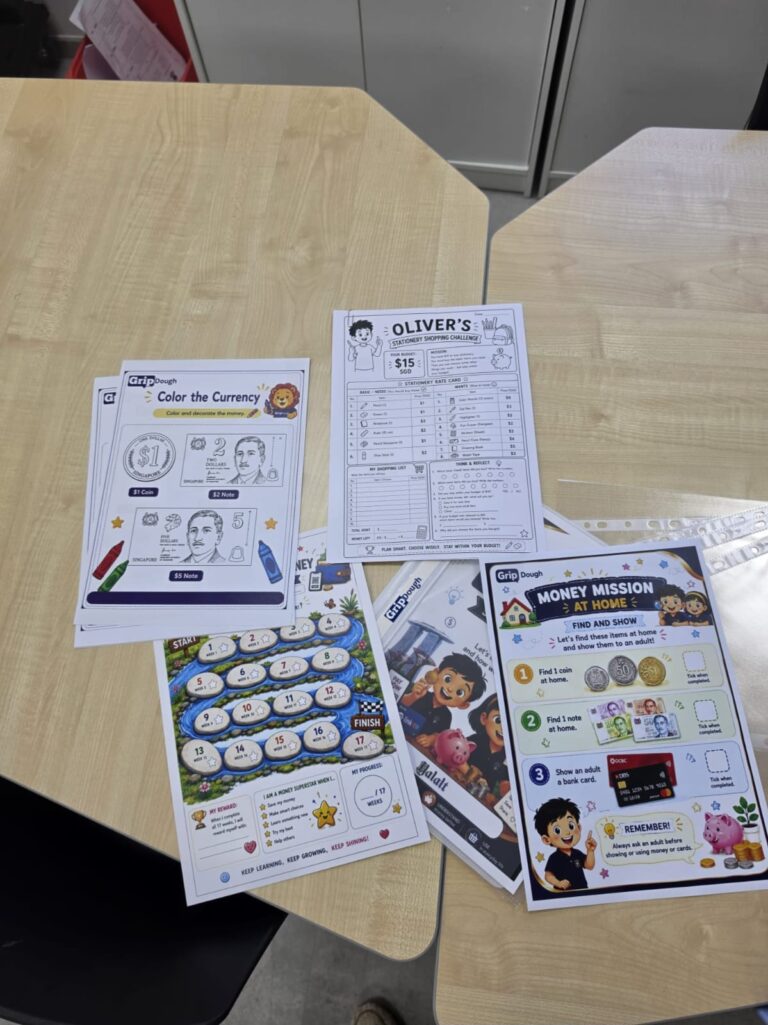
A 9-session financial literacy programme designed to help neurodivergent learners build practical money skills through real-world activities, role play, games and everyday decision-making.
The programme focused on making financial concepts understandable, relatable and hands-on, while giving students opportunities to practise skills they can use in everyday life.
Workshop Highlights
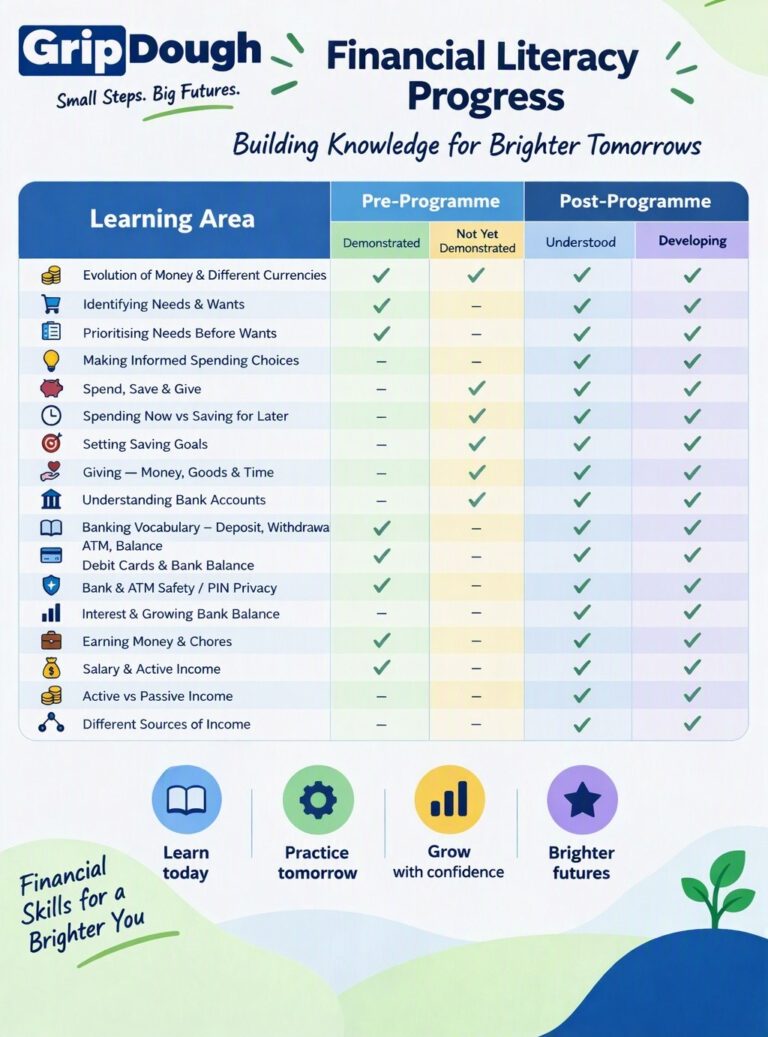
Across the 9 sessions, students explored:
- Understanding money and different currencies
- Needs, wants and informed spending choices
- Spending now versus saving for later
- Saving goals and giving
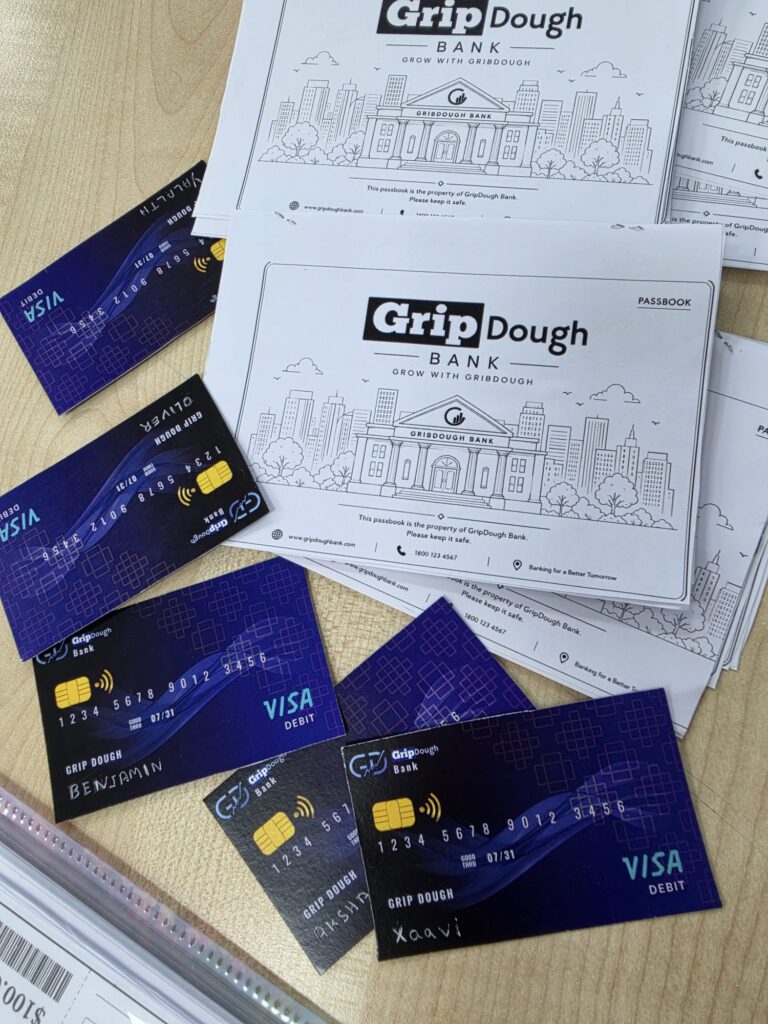
- Banking, bank balances and debit cards
- Earning, salary and different sources of income
- Interest and how money can grow
- Digital money and scam awareness
- Applying financial concepts through real-world scenarios
Our Approach
We moved beyond worksheets to create opportunities for students to experience money concepts in action.
Role play, movement, games and real-world scenarios were used to make abstract ideas more concrete — from visiting a bank and making purchases at an airport to managing a debit card, setting saving goals and working through income-and-expense activities.
The focus was not simply on explaining a concept, but on giving students a chance to make decisions, practise and learn through experience.
Impact
The programme showed us that financial learning can become more meaningful when students have opportunities to connect concepts with real-life situations.
Students engaged particularly well when learning involved role play, movement, games and practical decision-making.
It is about having opportunities to practise using them in everyday life!
Empowering Young Minds to Think Money-Smart
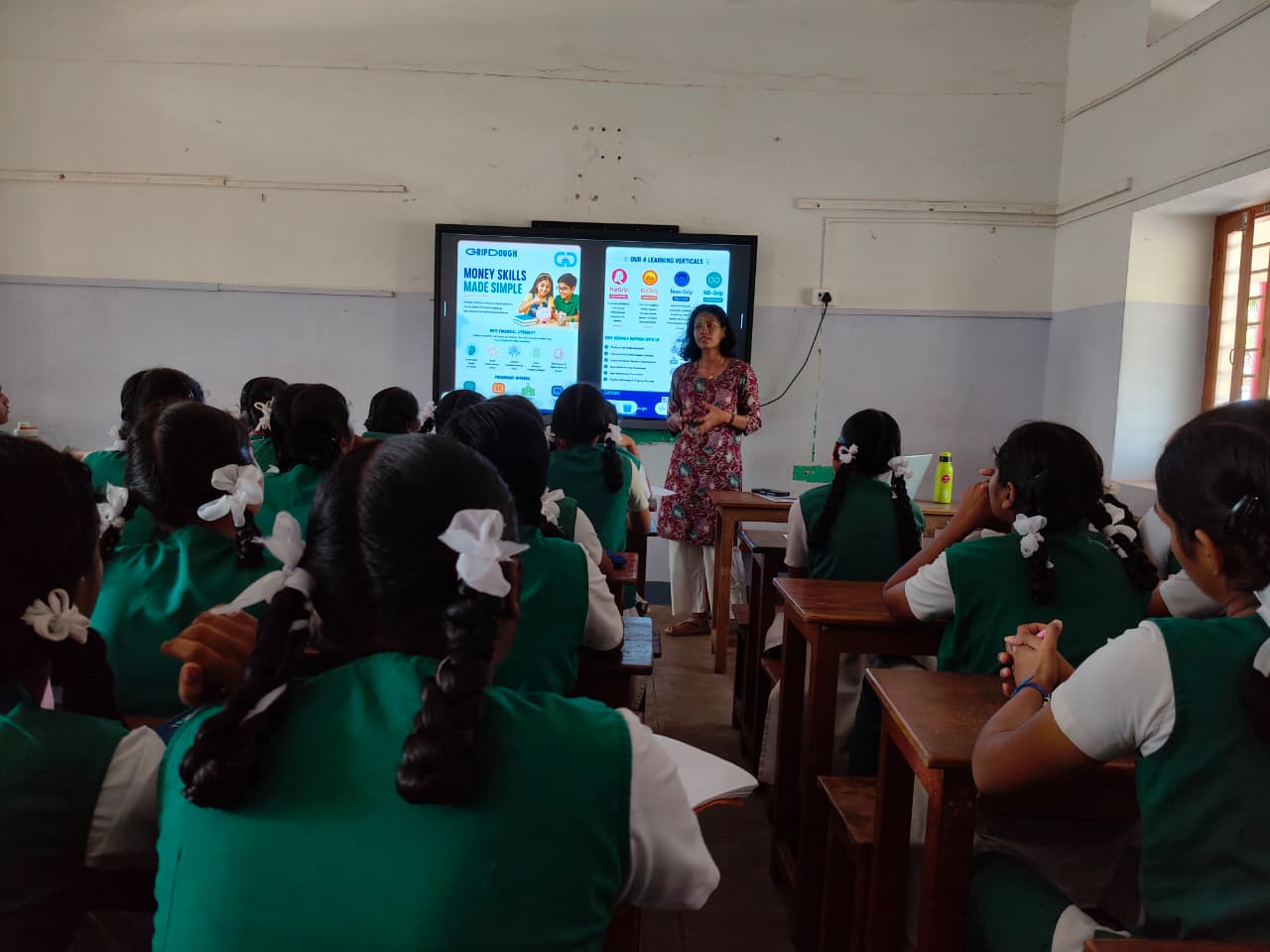
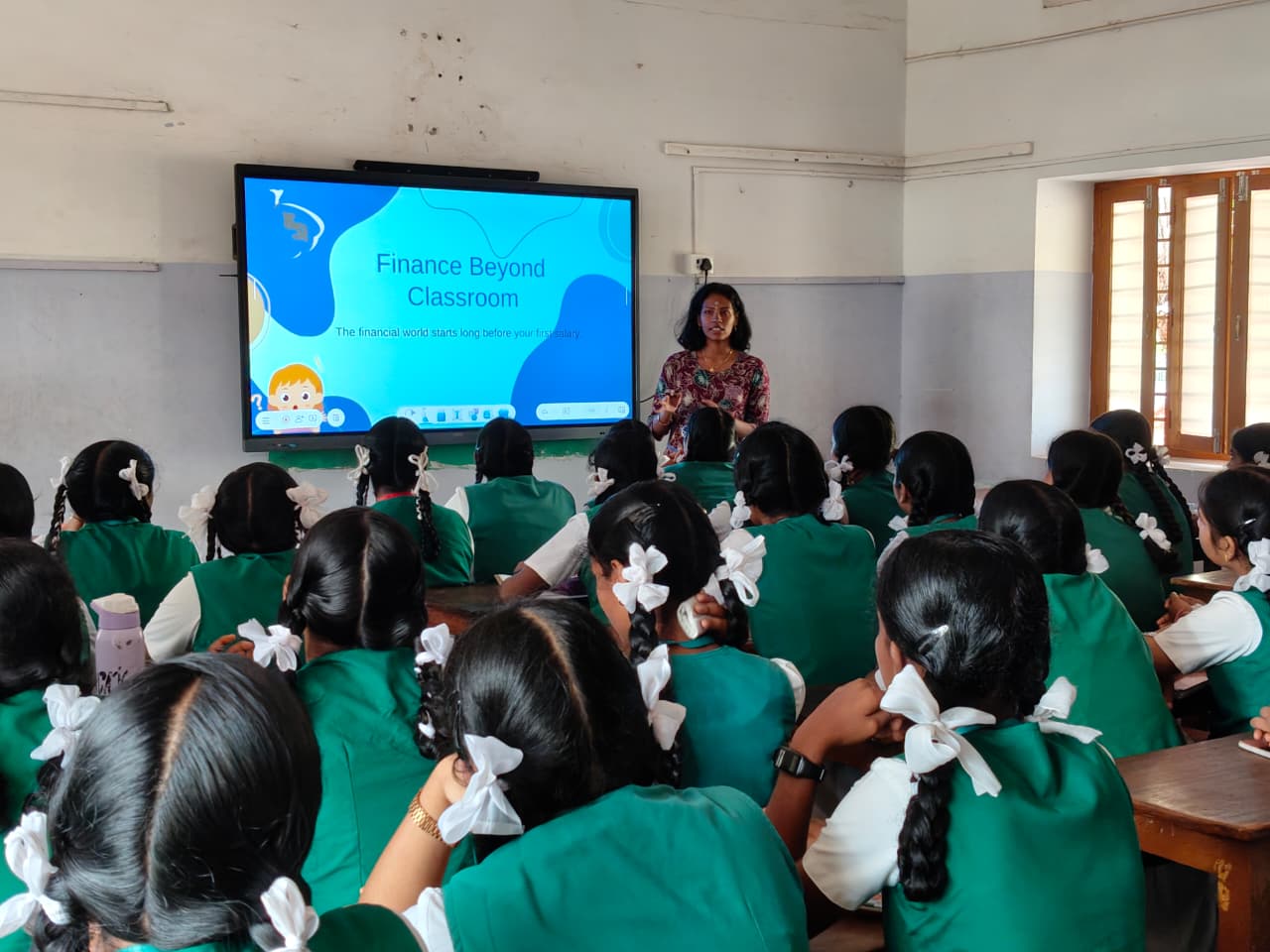
A financial awareness session for students stepping into greater independence
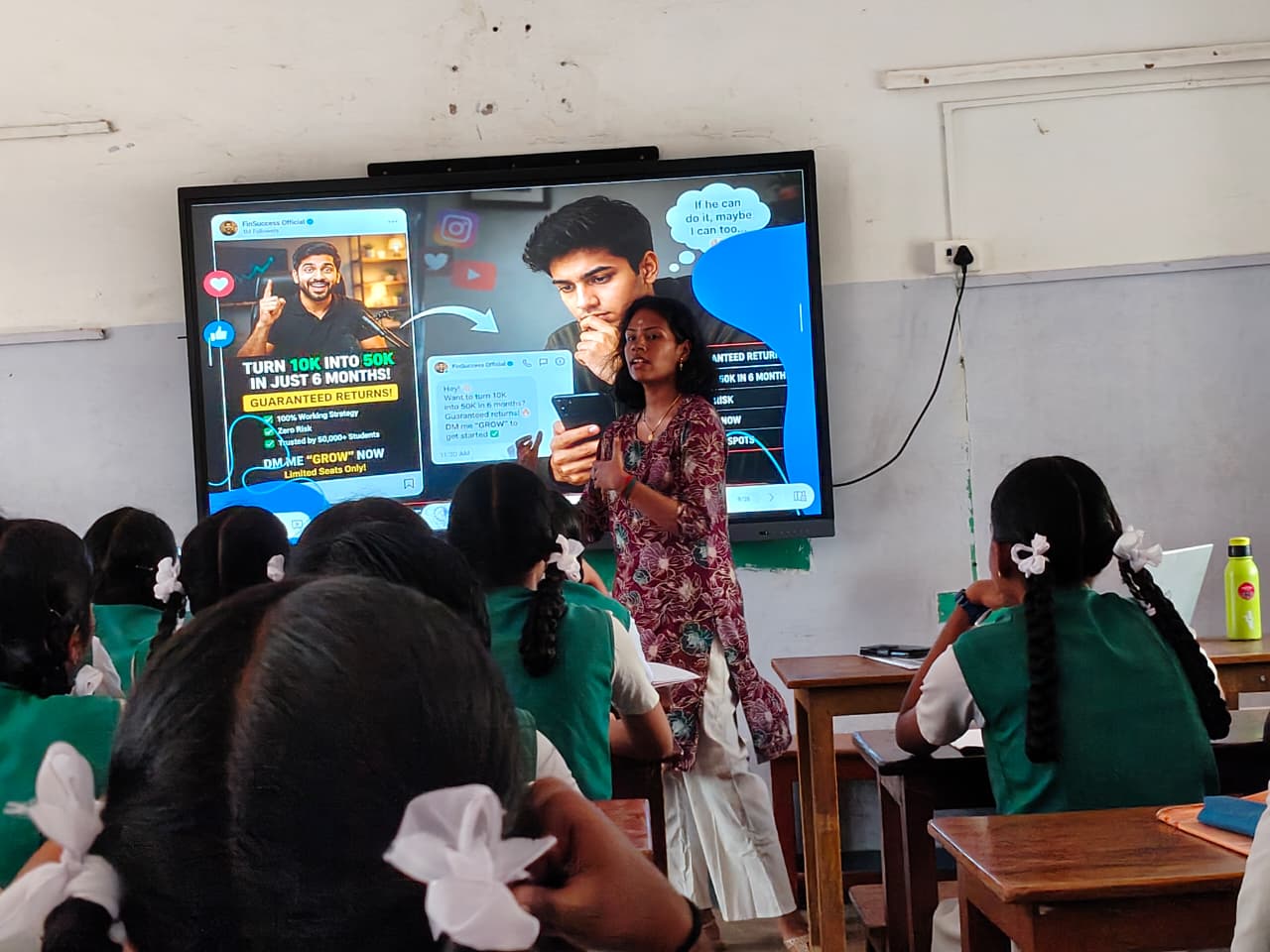
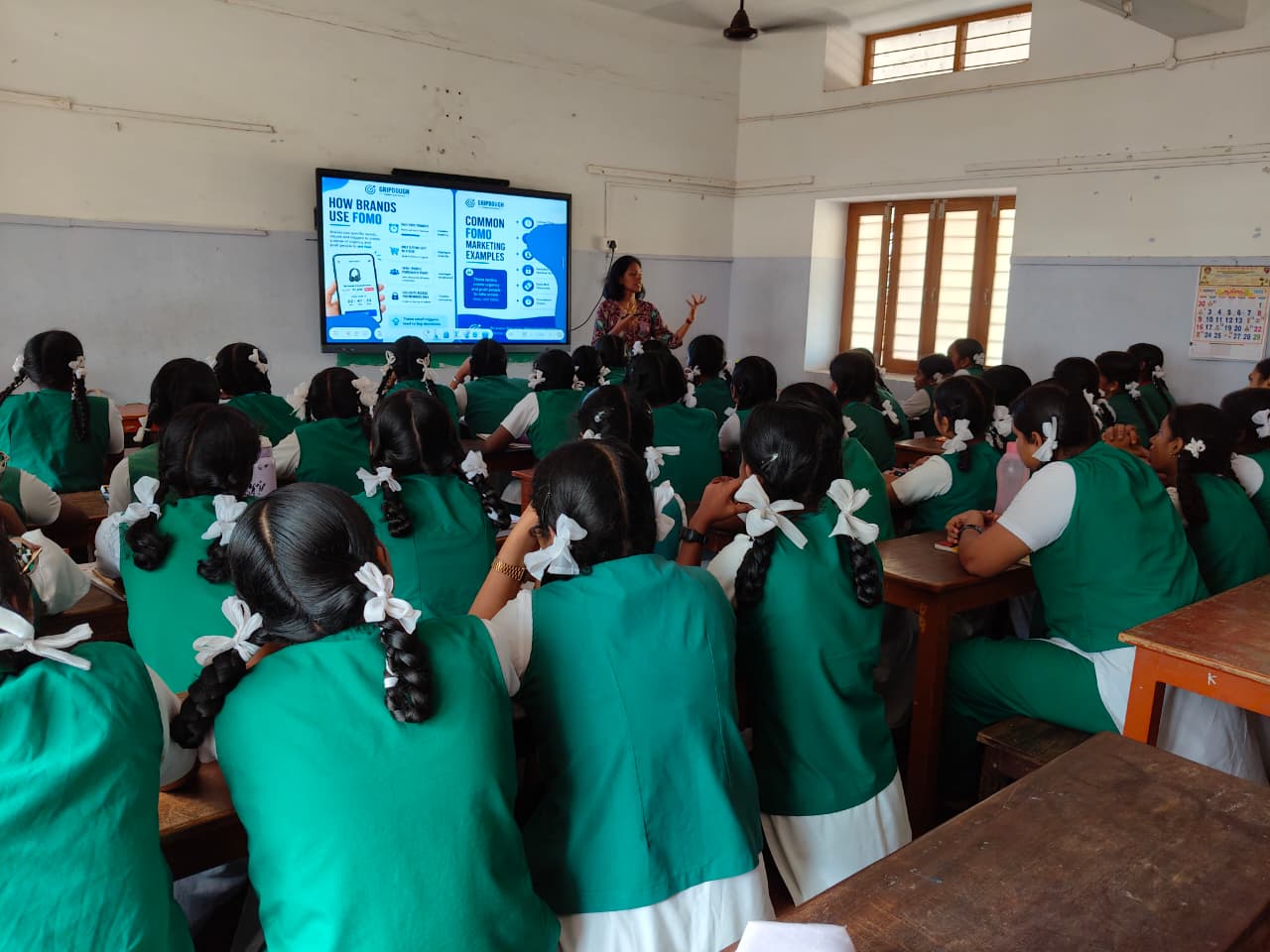
As students move from school to college and eventually into the working world, their relationship with money begins to change. Our TeenGrip session introduced students to the everyday financial decisions they are likely to encounter — from spending and saving to digital payments, investing and staying safe from scams.
Through relatable examples and interactive conversations, we created a space for students to question, think and make more informed money choices — because financial awareness is a life skill, not just a classroom subject.
Workshop Highlights
- Understanding How Money Moves
- Needs vs Wants & Smart Spending
- Behavioural Finance & FOMO
- Banking, Digital Payments & Investing
- Scam Awareness & Money Safety
- Real-Life Financial Decision-Making
Our Approach
We moved beyond traditional financial concepts and brought money into the students’ everyday lives. Through real-life scenarios, discussions, interactive activities and worksheets, students were encouraged to question, analyse and make informed financial decisions.
The focus was not on making students financial experts, but on helping them become more aware of the choices, behaviours and risks that come with money.
Impact
The session gave students a practical introduction to financial concepts they are likely to encounter as they step into college and greater independence — from managing spending and digital payments to recognising scams and understanding investing.
PSG Tech Alumni Workshop
Financial Wellness for Global Professionals
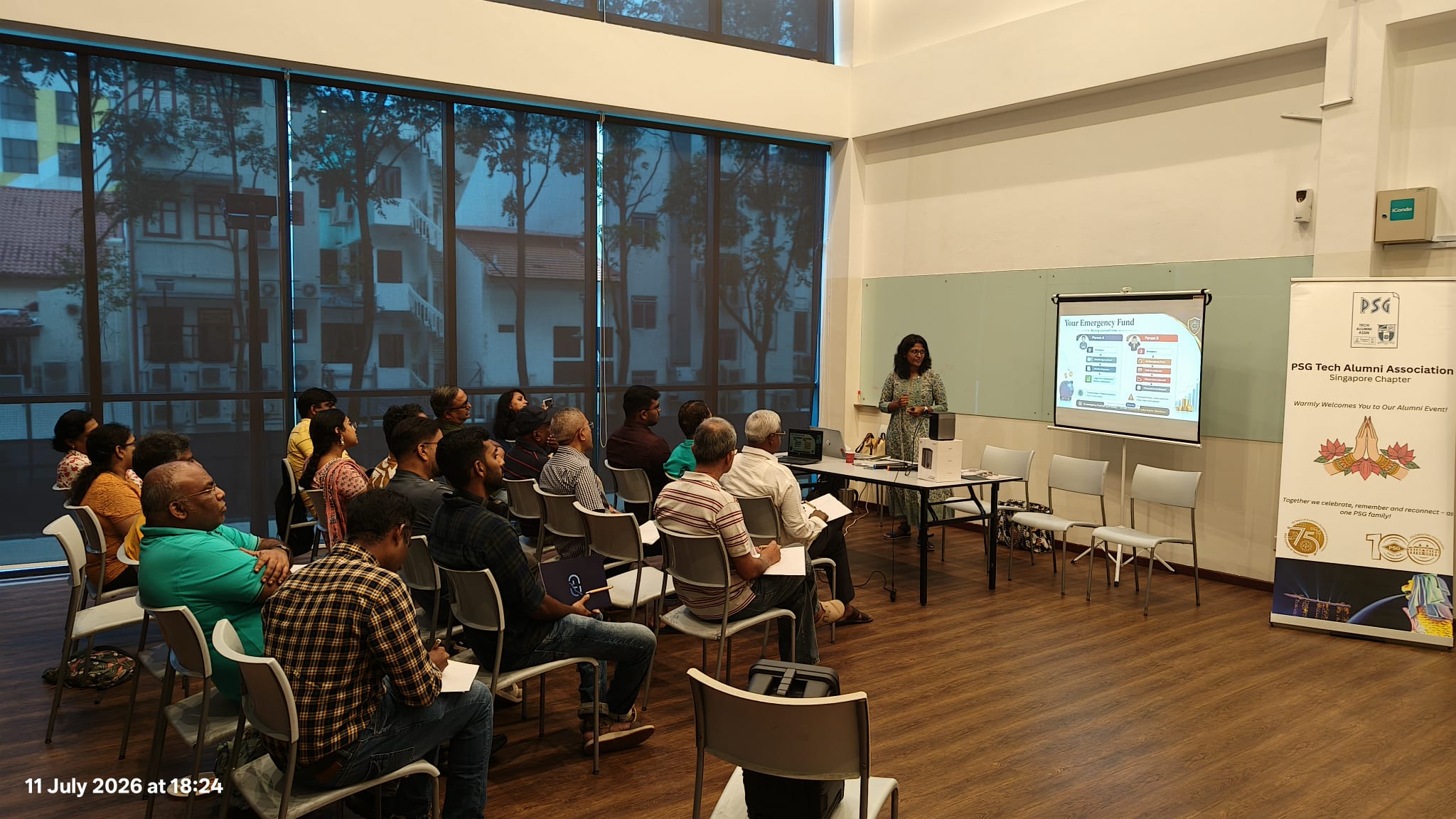
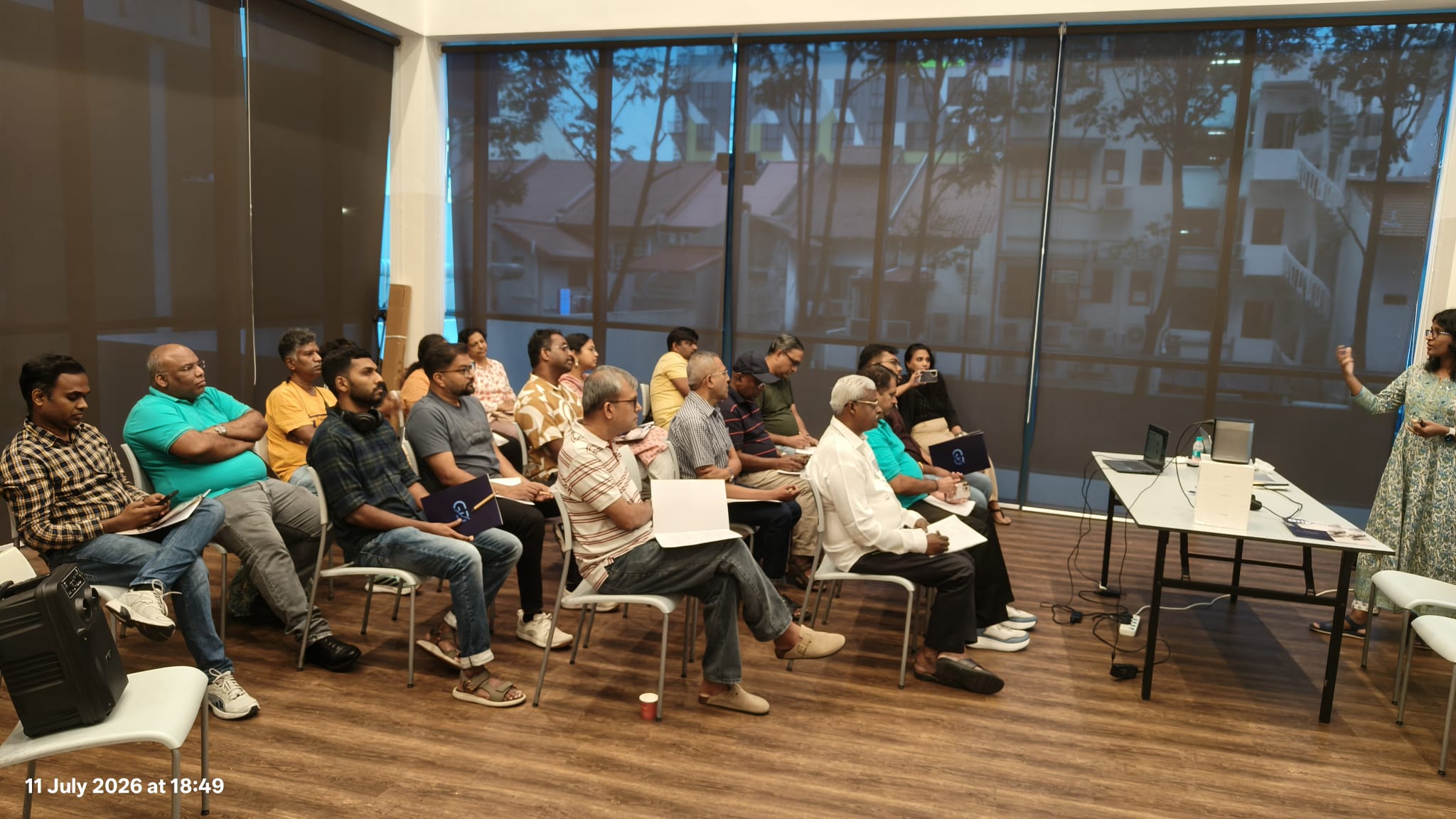
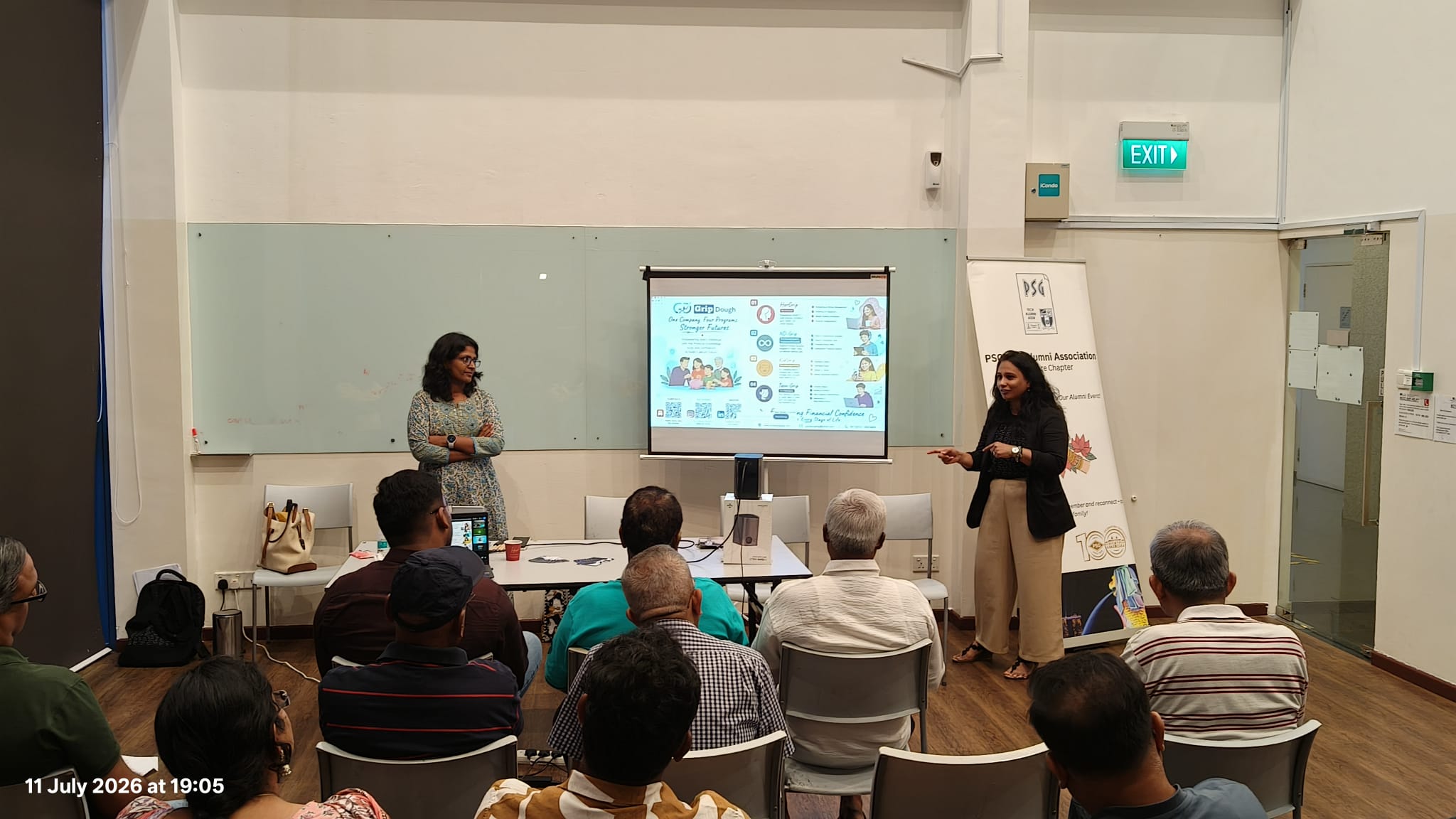
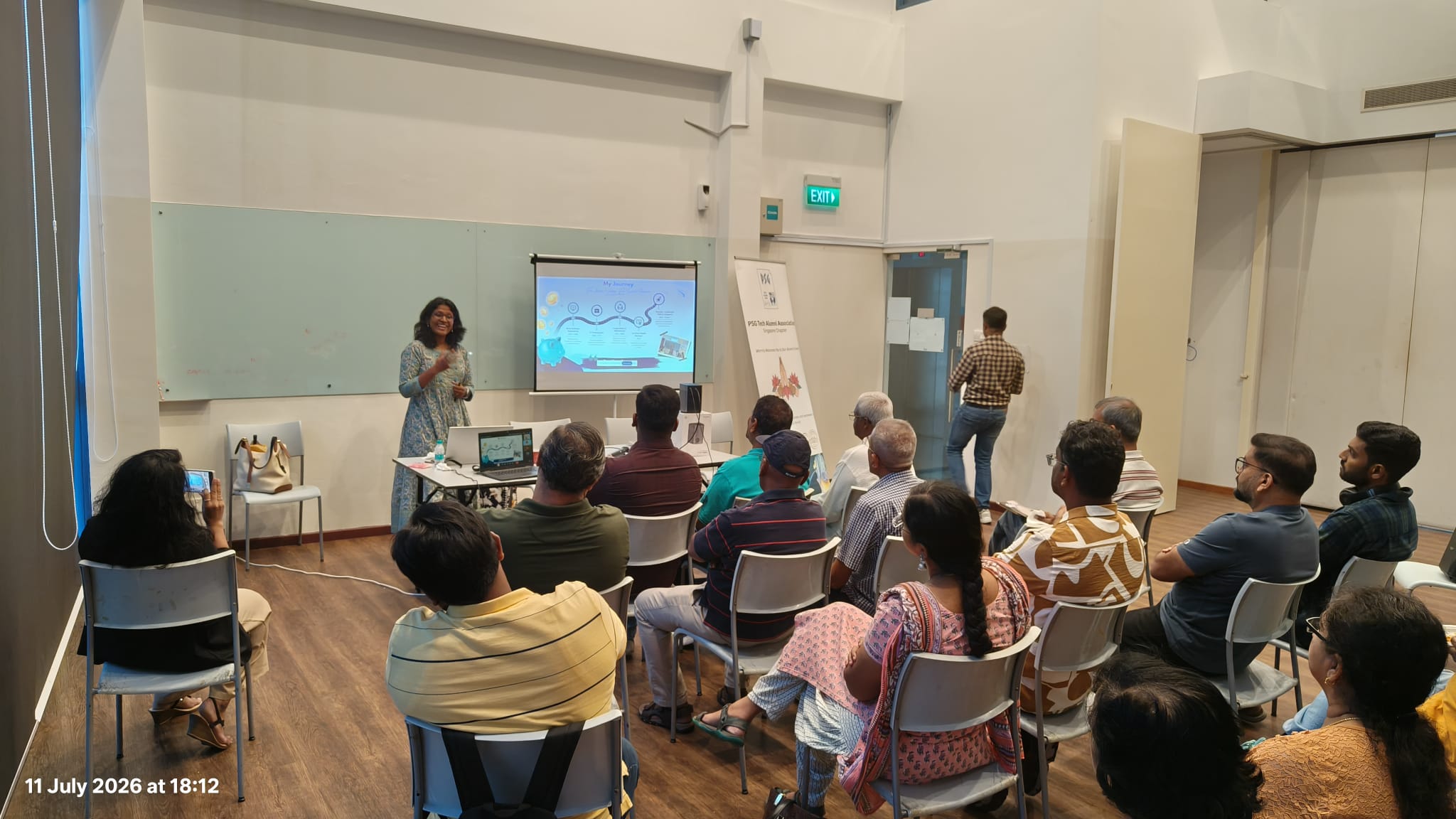
GripDough had the opportunity to conduct an engaging financial wellness workshop for the PSG Tech Alumni Association, bringing together professionals from across the world through a hybrid format.
Designed as an interactive workshop rather than a traditional lecture, the session encouraged participants to reflect on their own financial journeys through practical frameworks, guided activities, and real-life scenarios. The focus was on empowering individuals to make informed financial decisions based on their personal goals, responsibilities, and life stage.
Financial wellness isn’t about products. It’s about purpose
Workshop Highlights
- Hybrid session with participants joining both in person and online
- Interactive worksheets, financial calculations, and reflection exercises
- Practical frameworks including Goal-Based Planning and the 3L Framework (Liquidity, Longevity & Legacy)
- Discussions on emergency funds, retirement planning, portfolio allocation, and long-term financial wellbeing
- Live Q&A addressing real-world financial questions from participants
Our Approach
At GripDough, we believe financial wellness is built through understanding, not recommendations. This workshop was designed to help participants reflect on their own financial lives using practical frameworks, guided activities, and real-world scenarios—empowering them to make informed decisions aligned with their personal goals and life stage.
Impact
The workshop received an enthusiastic response from alumni across multiple countries, with participants appreciating the practical, relatable, and framework-based approach to financial wellness. The interactive format encouraged meaningful discussions, active participation, and actionable takeaways, resulting in continued conversations even after the session concluded.
Understanding Dyscalculia: Supporting Mathematical Learning Differences
Teacher Professional Development Workshop
Narbhavi Vidyalaya, Neyveli
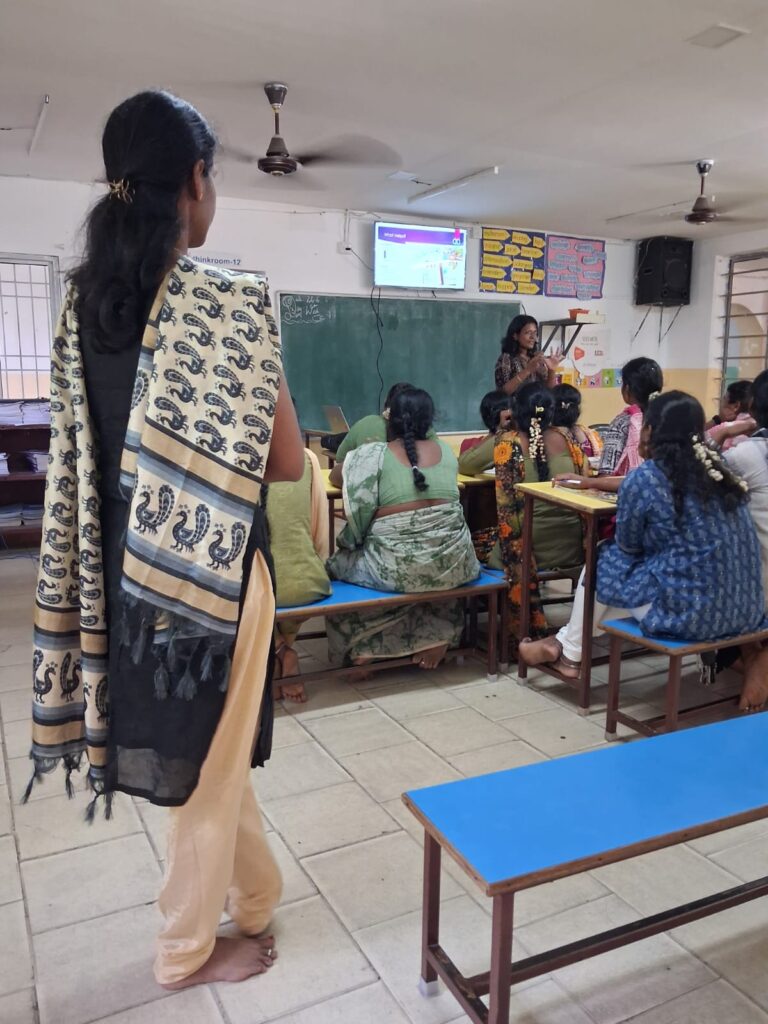
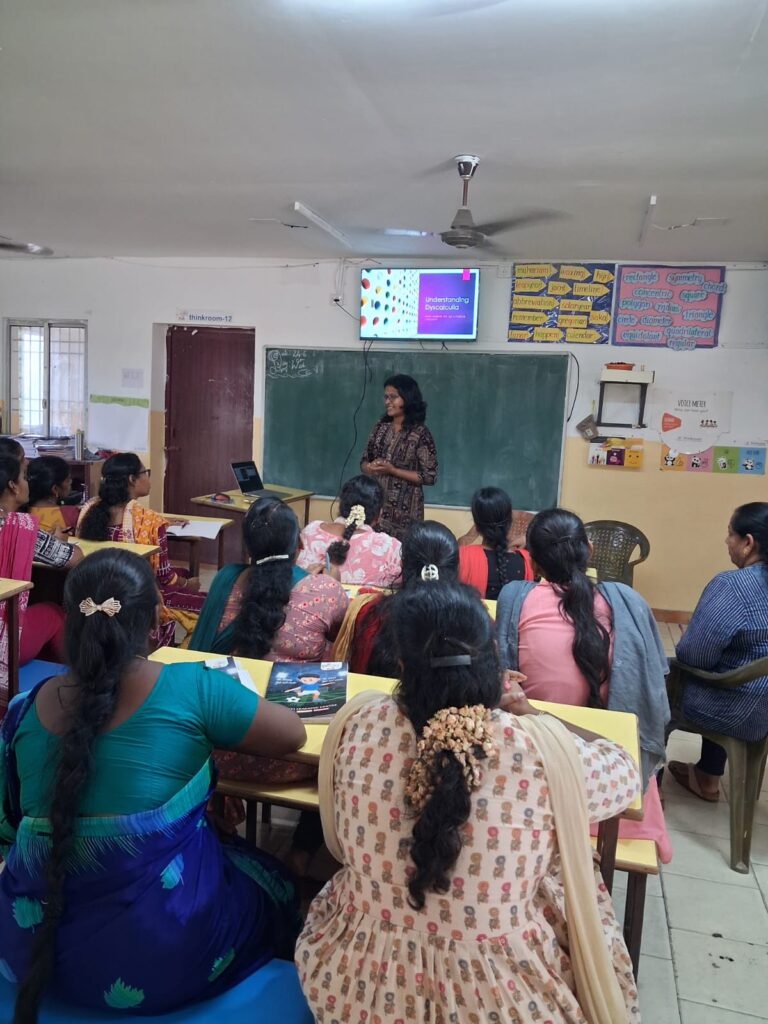
GripDough conducted a professional development workshop for school leaders and educators to build awareness of dyscalculia and strengthen inclusive teaching practices. The session introduced teachers to mathematical learning differences and explored practical classroom strategies that help every child experience success in mathematics.
Rather than focusing solely on theory, the workshop encouraged educators to reflect on their own classroom experiences, identify early signs of learning differences, and discuss realistic approaches to supporting neurodivergent learners with confidence and empathy.
Children with Dyscalculia are not less capable—they simply learn differently.
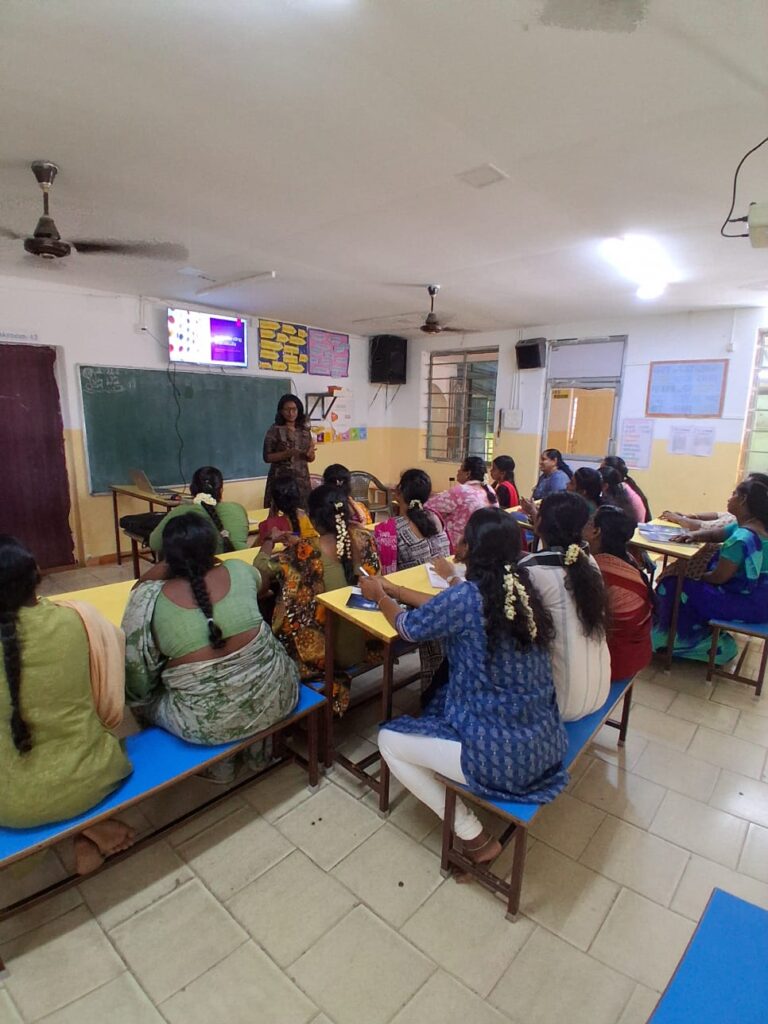
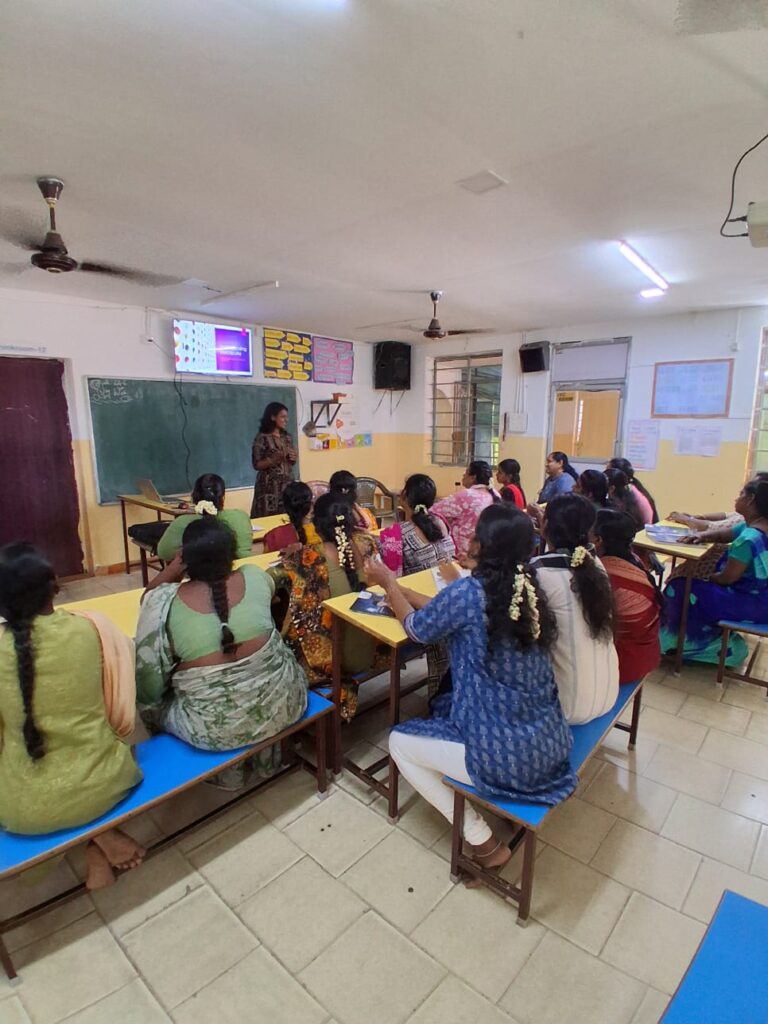
Workshop Highlights
- Professional development session for school leaders and teaching staff
- Understanding dyscalculia and mathematical learning differences
- Recognising early indicators in the classroom
- Practical, classroom-ready teaching strategies
- Supporting confidence alongside mathematical development
- Interactive discussions based on real classroom experiences
- Reflection-driven learning with actionable takeaways
Our Approach
At GripDough, we believe that awareness is the first step towards inclusion. Through storytelling, real-life examples, interactive discussions, and evidence-based practices, the workshop helped educators move beyond labels and better understand how children experience mathematical learning
Impact
The session sparked meaningful conversations among educators, many of whom related the concepts to students they currently teach. Teachers actively shared classroom experiences, discussed practical adaptations, and explored ways to create more supportive and inclusive learning environments.
The workshop also opened opportunities for continued collaboration through teacher training, parent awareness programmes, and the development of neurodiversity-inclusive educational initiatives